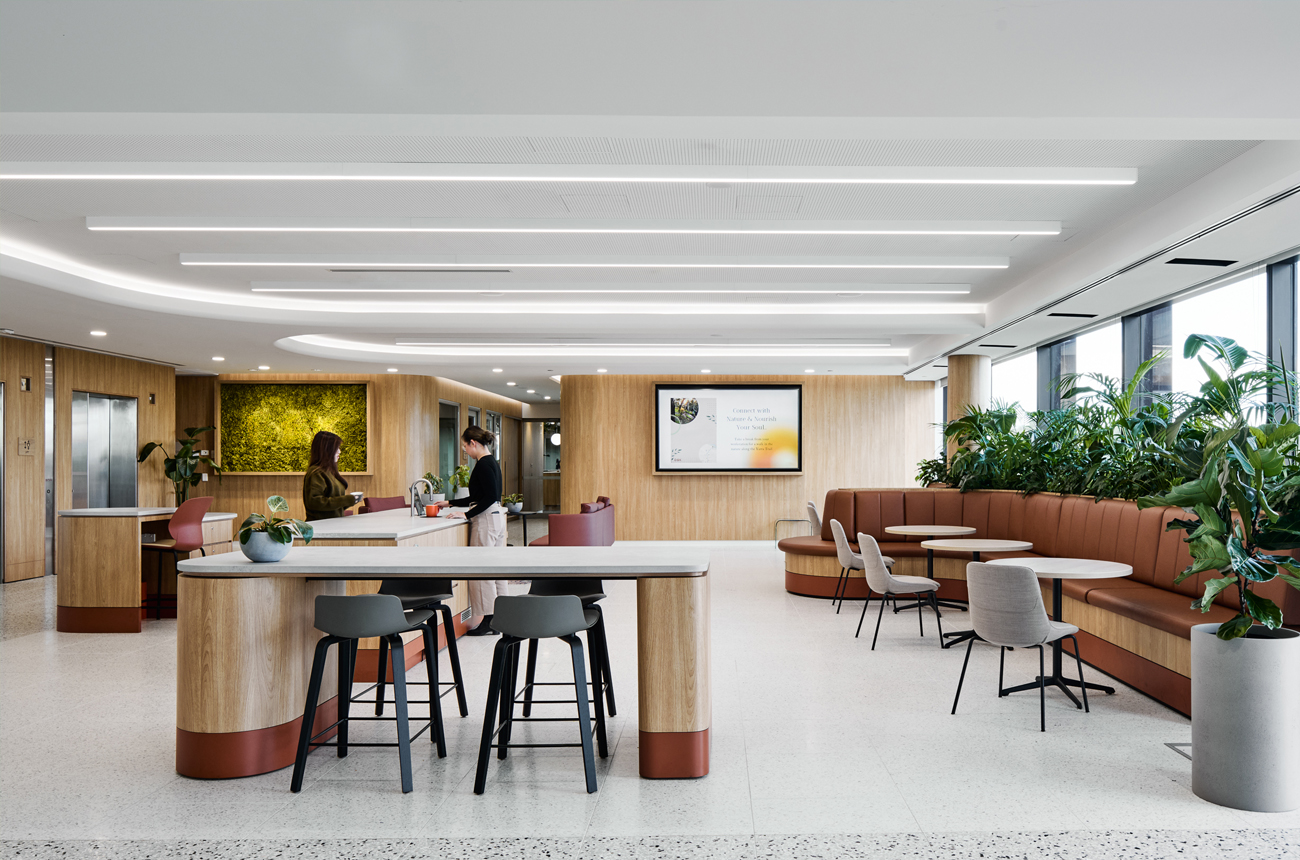





Hybrid work has made office conditions highly variable across the week and created new challenges for focus, culture, and meaningful human connection.
Unmanaged sound is one of the biggest barriers to focus, comfort, and productivity – particular in open areas with frequent conversations and video calls.
With burnout, cognitive fatigue, and stress high, the workplace environment itself is a critical lever for genuinely supporting employee wellbeing.
With many employees able to work effectively from home, offices must be destinations that deliver clear experiential value in ways remote work cannot.

Moodsonic introduces biophilic soundscapes that reduce distractions and support problem-solving, helping people be productive without the need for silence or rigid zoning.
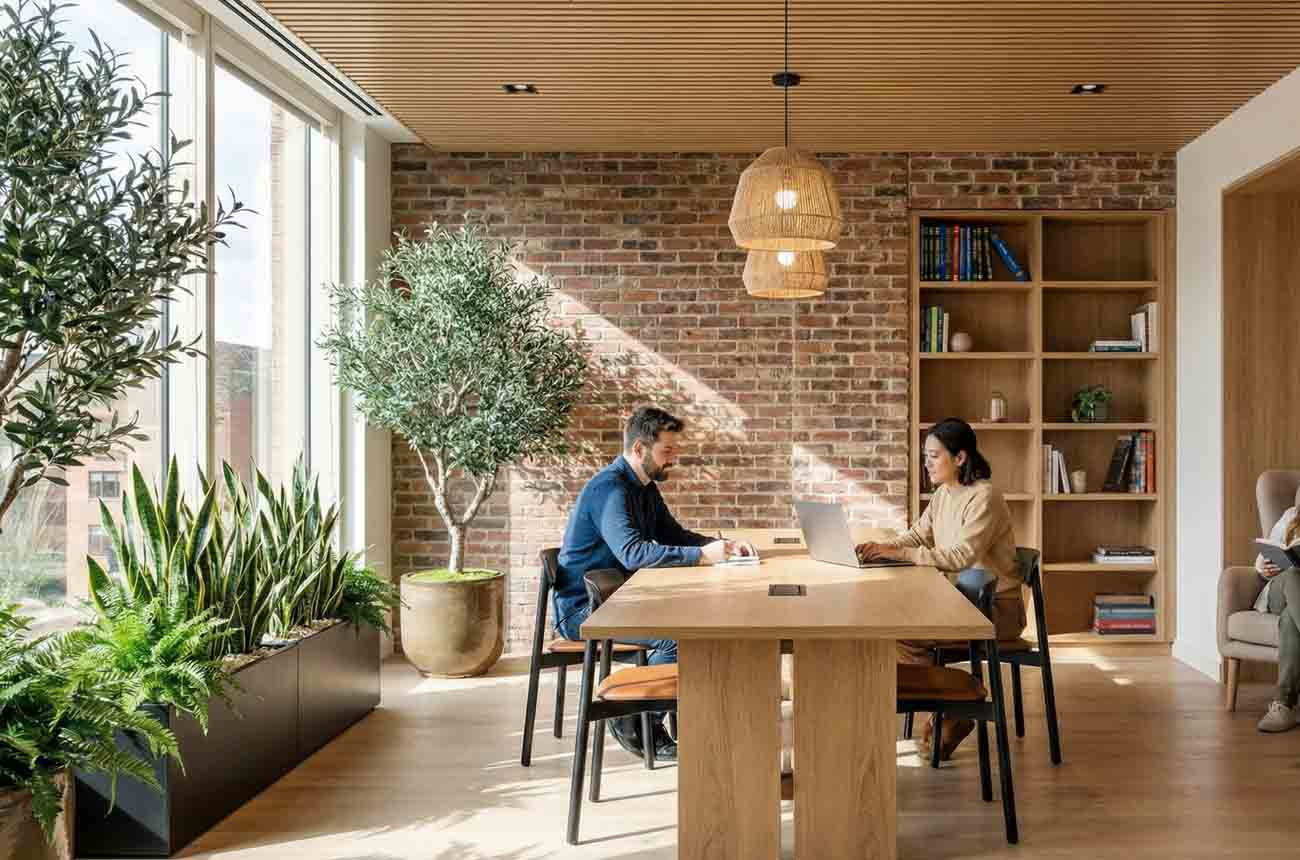
Moodsonic's soundscapes shift automatically between quieter, low-occupancy days and busier, high-energy periods – keeping spaces comfortable and productive as occupancy and activity fluctuate.
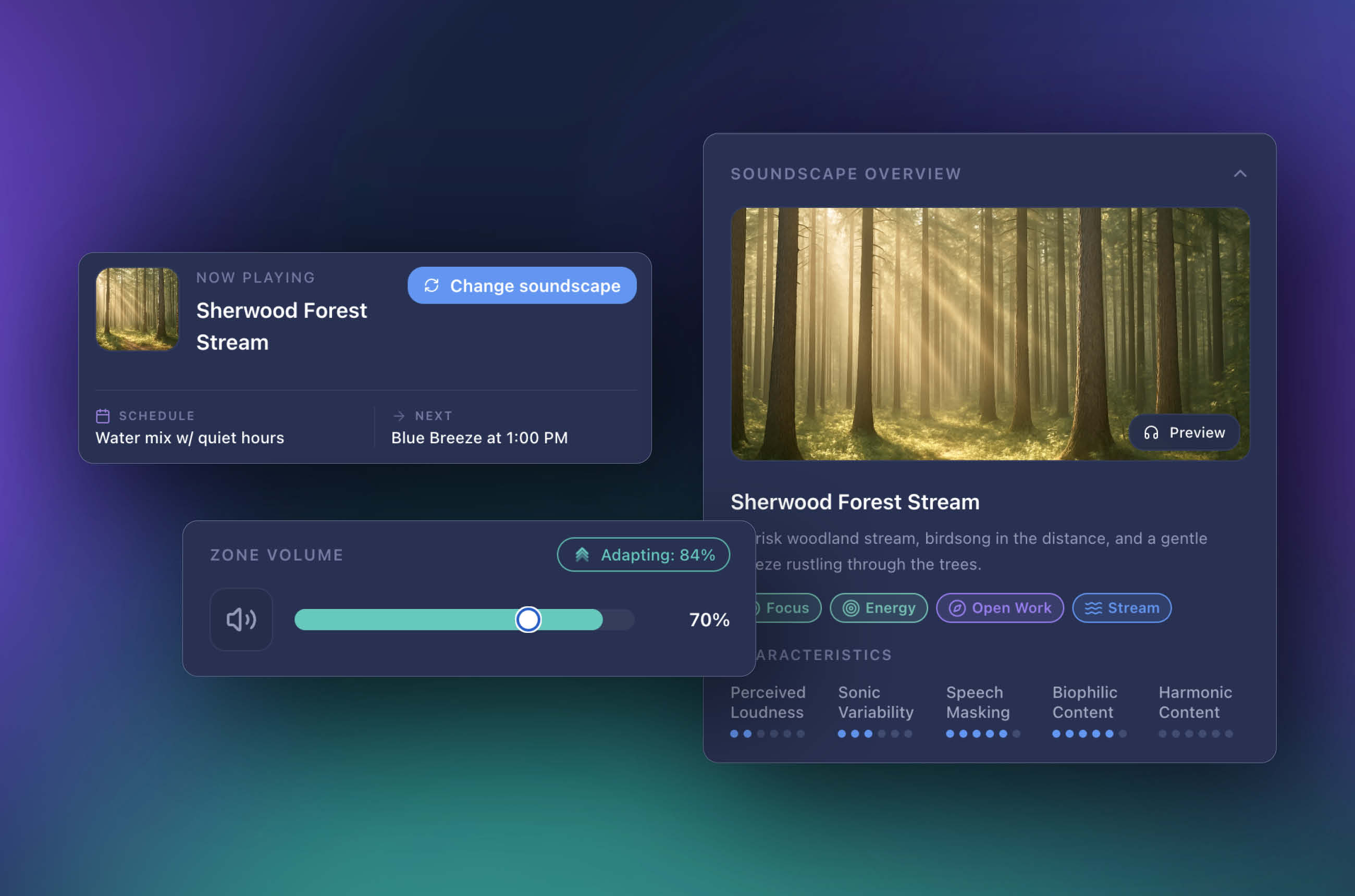
Different areas – like focus zones, collaboration spaces, or social areas – can have distinct sonic characteristics that align with how they’re meant to be used.
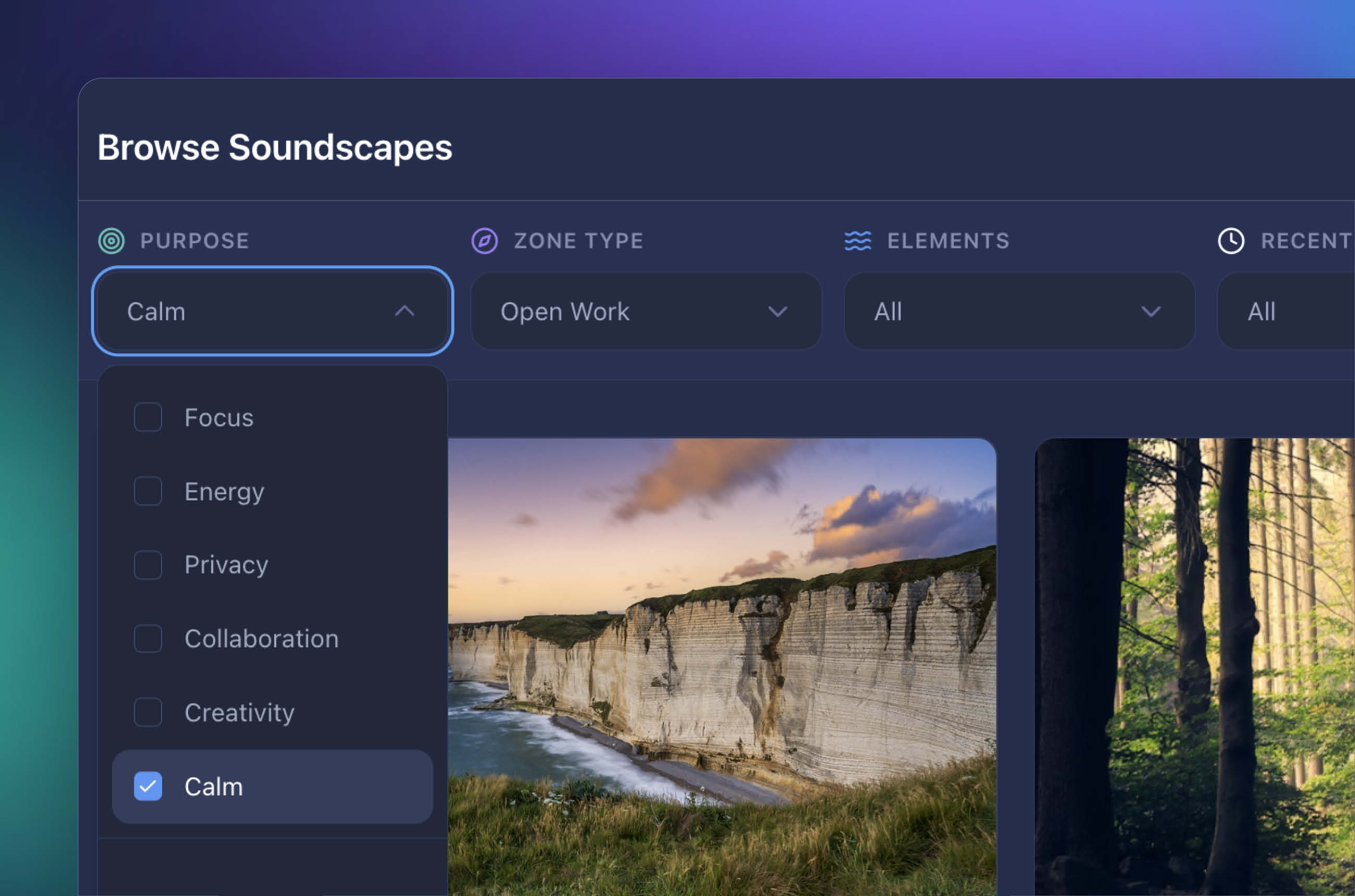
Facilities teams can define soundscape strategy centrally, and also allow appropriate local employee control in defined spaces like wellbeing rooms. This improves employee agency and avoids constant manual intervention or ad-hoc fixes.
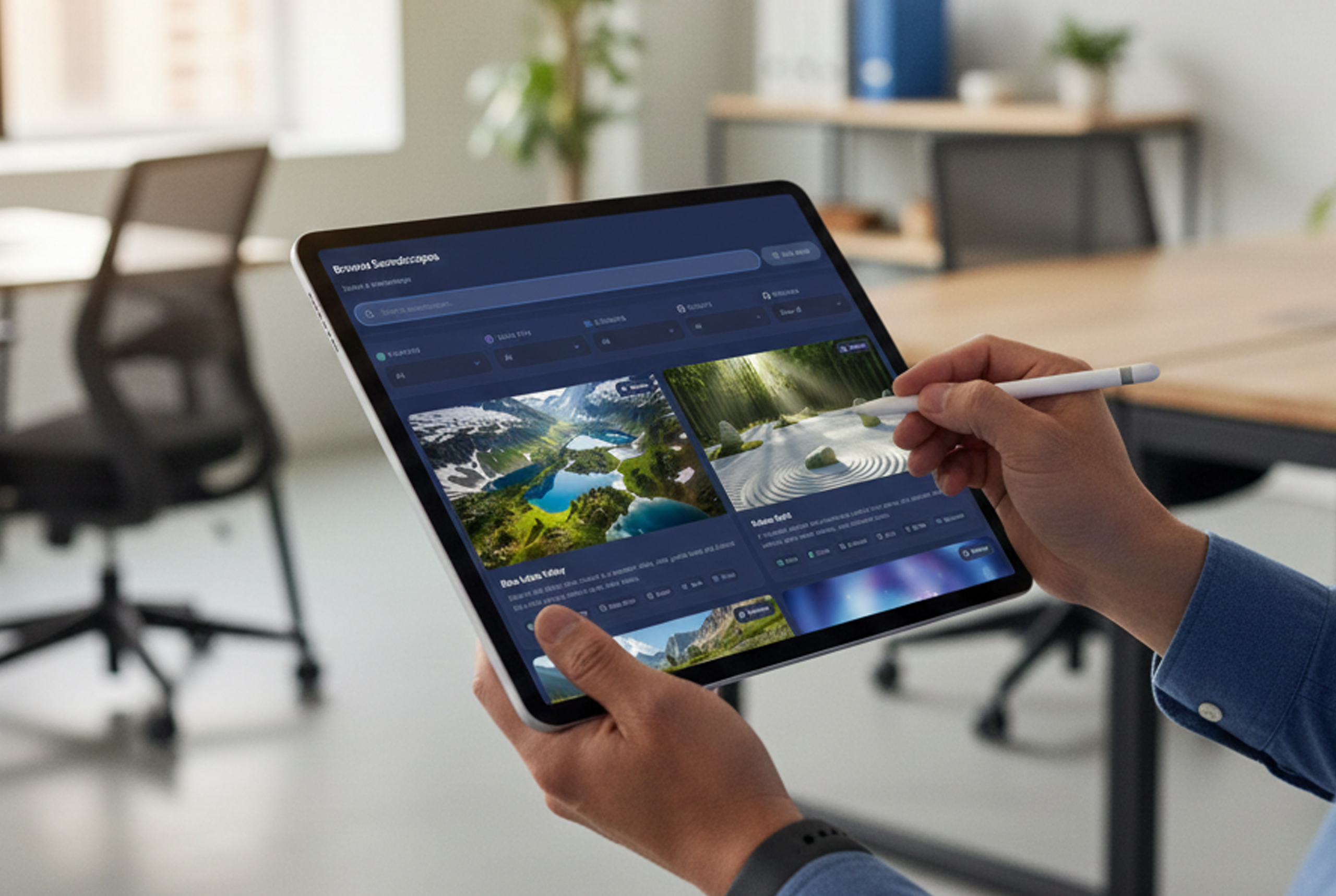
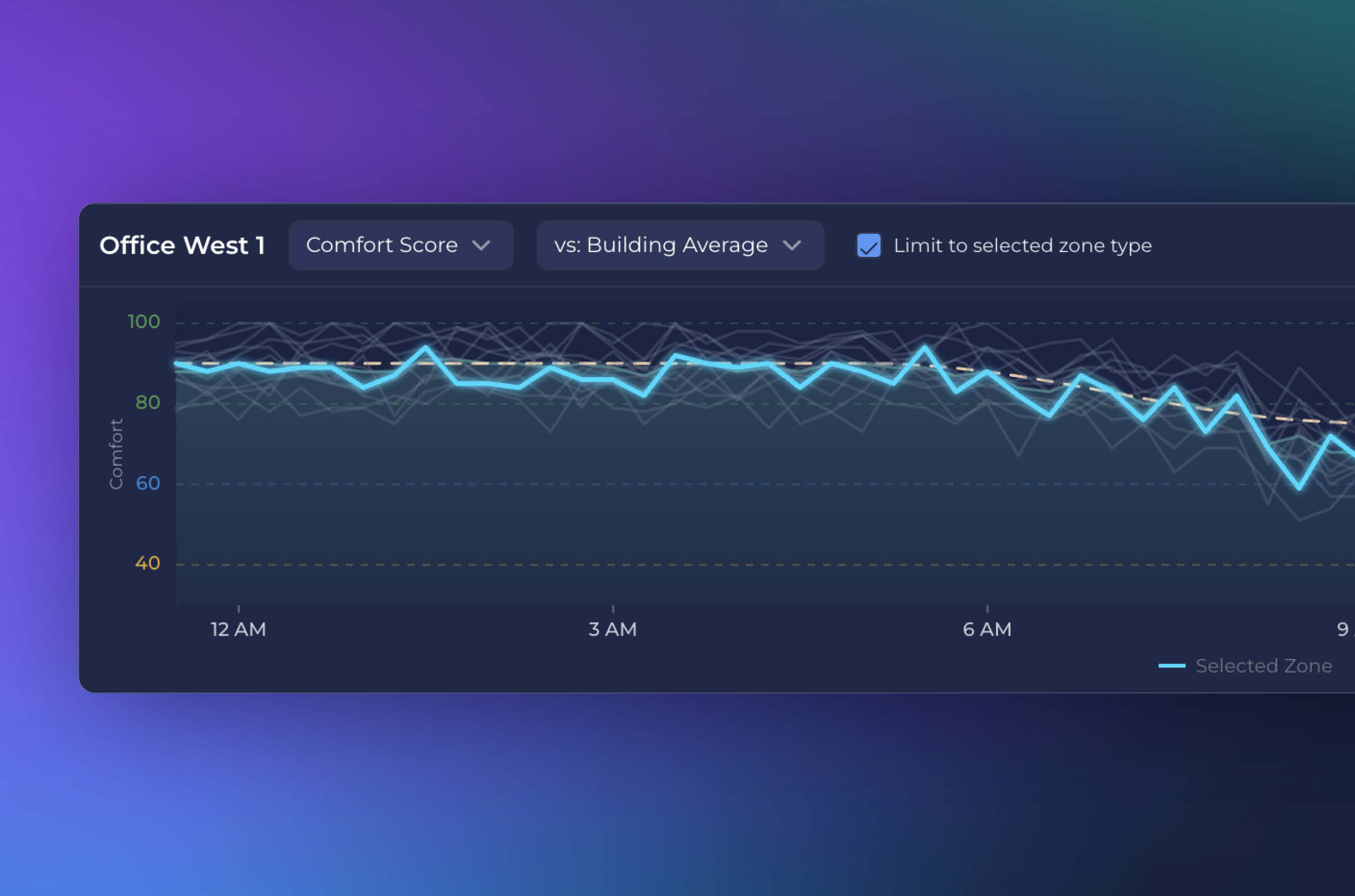
Performance, usage patterns, events, and recommended actions can be viewed and compared across buildings and regions – supporting data-driven, pro-active workplace decisions.